Search engine optimization has become one of the most important digital marketing channels for businesses of all sizes. Whether you’re running an eCommerce store, a local business website, a SaaS platform, or a content-driven blog, your visibility in Google search results directly impacts traffic, leads, and revenue.
However, SEO is not just about creating content and building backlinks. It’s also about measuring results. Without tracking keyword rankings, it becomes nearly impossible to understand whether your optimization efforts are producing meaningful improvements.
This is where website rank tracker tools come into play.
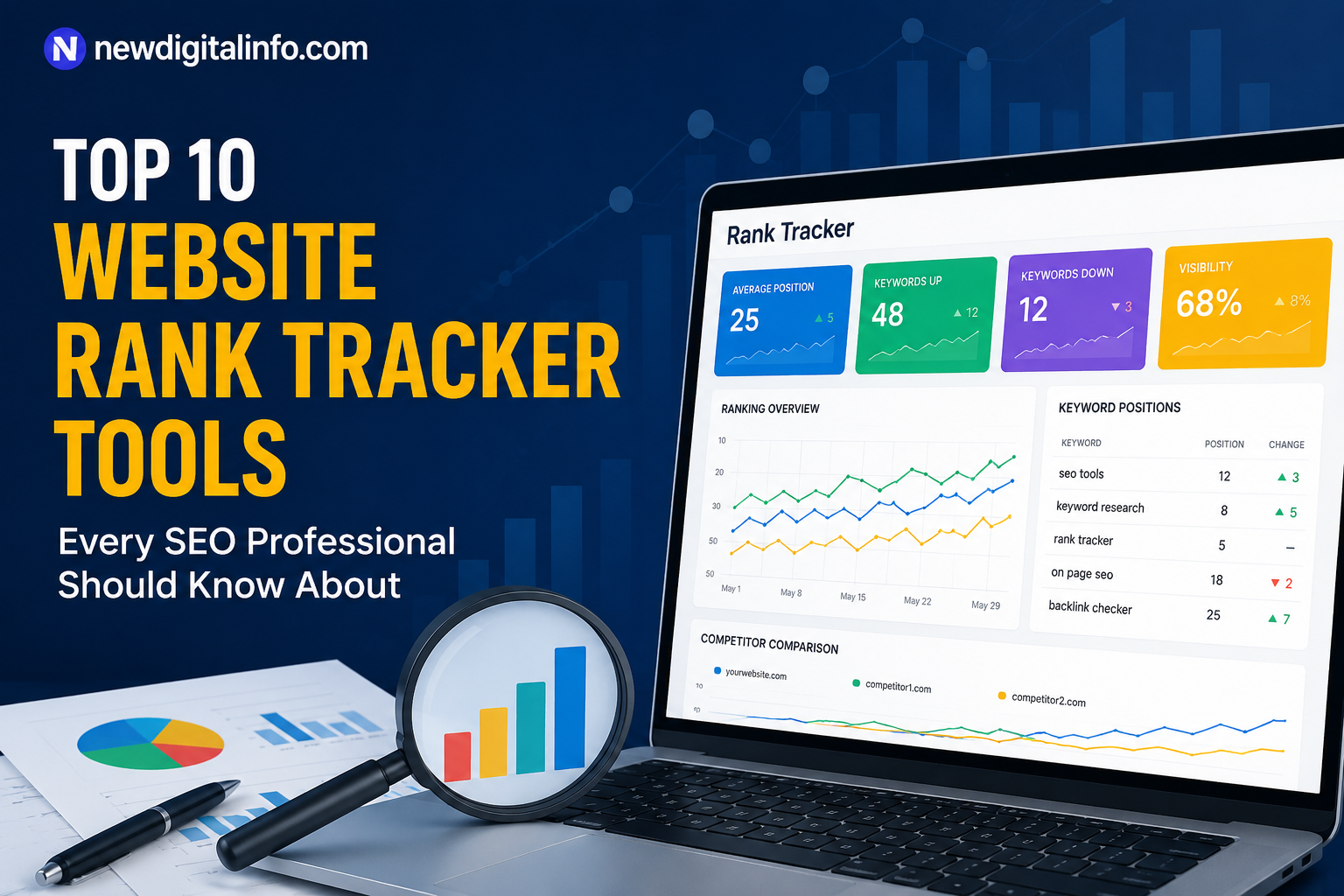
Rank tracking tools help website owners monitor keyword positions, identify ranking fluctuations, evaluate campaign performance, and uncover opportunities to improve visibility in search engines. The best tools provide accurate data, historical insights, and actionable reporting that help marketers make informed decisions.
If you’re looking for the best solutions available today, here are ten rank tracking tools and Google-based resources worth considering.
1. serp rank tracker
When it comes to monitoring keyword rankings effectively, FreeSERP stands out as one of the most practical solutions available for SEO professionals, agencies, and website owners.
A quality serp rank tracker should provide accurate ranking data, easy-to-understand reports, and the ability to monitor keyword performance over time. FreeSERP delivers on all these fronts while maintaining a user-friendly experience that doesn’t overwhelm users with unnecessary complexity.
One of the biggest challenges in SEO is understanding how rankings change over time. FreeSERP makes it easier to identify upward trends, detect ranking drops, and evaluate the effectiveness of optimization efforts.
The platform is especially useful for:
- SEO agencies managing multiple projects
- Freelance SEO consultants
- Small business owners
- Content marketers
- Affiliate website operators
- Digital marketing teams
Key benefits include:
- Reliable keyword tracking
- Historical ranking reports
- Performance trend analysis
- Clean and intuitive dashboard
- Easy campaign monitoring
- Scalable tracking capabilities
For anyone serious about search engine optimization, FreeSERP provides a dependable solution for tracking rankings and measuring growth.
2. Google Search Console
Google Search Console remains one of the most important tools in every SEO professional’s toolkit.
As Google’s official search performance platform, it provides direct visibility into how your website performs in search results.
Users can access valuable information including:
- Average keyword positions
- Search impressions
- Click-through rates
- Indexing status
- Search queries
- Top-performing pages
While it isn’t a dedicated rank tracking platform, it offers insights that are critical for understanding search visibility.
3. Google Analytics 4
SEO success is about more than rankings.
A keyword might rank on the first page, but if visitors leave immediately or fail to convert, the ranking alone doesn’t provide much value.
Google Analytics helps connect rankings with real business outcomes by measuring:
- Organic traffic
- User engagement
- Session duration
- Conversion rates
- Revenue generation
- User behavior
When combined with a dedicated serp rank tracker, Analytics provides a complete picture of SEO performance.
4. Google Trends
Keyword popularity changes over time.
What users search for today may differ significantly from what they searched for six months ago.
Google Trends helps marketers identify:
- Seasonal demand
- Emerging topics
- Industry shifts
- Trending search queries
- Regional keyword interest
This information is extremely useful when deciding which keywords deserve ongoing tracking and optimization.
5. Google Keyword Planner
Keyword research remains a foundational part of every successful SEO campaign.
Google Keyword Planner provides valuable keyword insights that help businesses identify search opportunities.
Features include:
- Search volume estimates
- Keyword suggestions
- Competition indicators
- Market demand analysis
- Related search opportunities
Many marketers use Keyword Planner to discover keywords before adding them to their rank tracking campaigns.
6. Google Business Profile Insights
Local businesses operate in a different search environment compared to national brands.
Google Business Profile Insights helps local organizations understand how customers find them through Google Search and Google Maps.
Useful data includes:
- Profile visibility
- Search terms
- Customer interactions
- Website visits
- Direction requests
- Phone calls
For businesses focused on local SEO, these insights are extremely valuable.
7. Google Looker Studio
Data is most useful when it’s easy to understand.
Google Looker Studio enables marketers to create professional dashboards that combine data from multiple sources into a single reporting environment.
Benefits include:
- Interactive dashboards
- Automated reporting
- Custom visualizations
- SEO performance summaries
- Agency reporting solutions
Many SEO agencies rely on Looker Studio to present ranking and traffic data to clients.
8. Google PageSpeed Insights
Website speed has become an increasingly important factor in user experience and overall website performance.
Google PageSpeed Insights evaluates a website’s technical performance and identifies opportunities for improvement.
Areas analyzed include:
- Core Web Vitals
- Mobile usability
- Loading performance
- Technical optimization
- User experience metrics
Improving website speed often contributes to stronger search visibility and better engagement.
9. Google Rich Results Test
Search engine results pages have evolved dramatically over the years.
Rich snippets, review stars, FAQs, product information, and other enhanced search features can significantly improve visibility.
Google Rich Results Test helps website owners verify whether their structured data is correctly implemented.
Advantages include:
- Schema validation
- Error detection
- Rich result eligibility checks
- Search appearance optimization
These enhancements can increase click-through rates even when rankings remain unchanged.
10. Google Search Central
Google Search Central serves as an official educational resource for SEO professionals and website owners.
The platform provides guidance on:
- Technical SEO
- Crawling and indexing
- Structured data
- Search best practices
- Website optimization techniques
Staying informed through Search Central helps businesses maintain healthy websites and improve search performance.
Why Rank Tracking Matters
Many website owners invest heavily in SEO but fail to consistently monitor their rankings.
This often leads to missed opportunities and delayed responses when rankings change.
Rank tracking helps businesses:
Measure SEO Progress
Tracking positions over time reveals whether optimization efforts are producing results.
Identify Ranking Drops Quickly
Early detection allows businesses to investigate and resolve issues before traffic is significantly impacted.
Discover Growth Opportunities
Keyword tracking often uncovers terms that are close to page-one rankings and can be improved with additional optimization.
Understand Content Performance
Ranking data helps identify which content assets are generating visibility and which require improvement.
Evaluate Return on Investment
SEO campaigns should be measured based on tangible results, and ranking improvements are one of the clearest indicators of success.
How to Choose the Best Rank Tracker
Not all rank tracking solutions are created equal.
When evaluating options, consider:
Accuracy
Reliable data is essential for making informed SEO decisions.
Ease of Use
Complicated interfaces can slow down analysis and reporting.
Historical Data
Long-term trends provide more value than isolated ranking snapshots.
Reporting Features
Professional reports help agencies and marketing teams communicate results effectively.
Scalability
The platform should support future growth as tracking requirements increase.
Final Thoughts
SEO continues to be one of the most effective digital marketing channels available, but success depends on measurement. Without accurate ranking data, it’s difficult to understand whether your strategy is moving in the right direction.
Among the many options available, the serp rank tracker offers an excellent balance of usability, accuracy, and performance monitoring. Combined with Google’s ecosystem of SEO tools, it provides businesses with the insights needed to track growth, improve visibility, and make smarter optimization decisions.
Whether you’re a beginner or an experienced SEO professional, having the right rank tracking setup can make a significant difference in your long-term search engine success.